

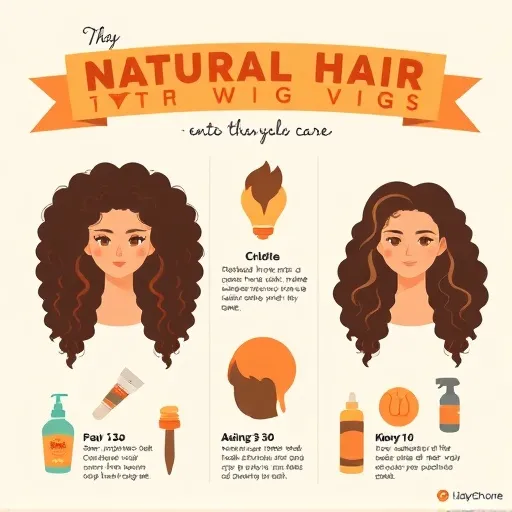
Natural vs synthetic
Why Natural Hair Wig Care Is Different From Synthetic Care
Before we get into routines, let's clear up a confusion that trips up a lot of people. Natural hair wig care is a whole different ballgame from what you'd do with synthetic wigs. Why? Because 100% human hair wigs actually respond to moisture, heat styling, and protein treatments the same way your own hair does. That's fantastic news — it means you can style, color, and treat them with tons of flexibility. But it also means they're just as vulnerable to the usual suspects: heat damage, dryness, split ends, and product buildup.
Synthetic units, on the flip side, can't absorb moisture at all and will literally melt under high heat. So if you've been treating your human hair wig like a synthetic one (or the other way around), that's the first habit to break. Everything in this guide focuses exclusively on natural human hair wigs — the kind that deserves genuine TLC and thoughtful natural hair wig care.
Washing Frequency and Sulfate-Free Shampoo: How Often Should You Actually Wash Your Human Hair Wig?
Here's a question that comes up constantly: "How often should I wash my natural hair wig?" The honest answer is way less than you'd wash your own hair — typically every 8 to 12 wears, or roughly every 2 to 4 weeks depending on how much styling product you use and how much you sweat underneath. Over-washing strips natural oils and speeds up shedding, which is the last thing you want from your natural hair wig care routine.
When wash day finally rolls around, here's the sequence that works:
- Detangle first, always. Grab a wide-tooth comb or a loop brush and gently work through tangles while the hair is dry or lightly misted. Never attack a wet, tangled wig — you'll stretch and snap the strands. This single step makes the biggest difference in natural hair wig care.
- Use sulfate-free shampoo. Sulfates are harsh on processed hair and natural textures alike. Look for gentle, moisturizing formulas made for color-treated or chemically processed hair.
- Wash in a downward direction. Hold the wig cap at the crown and let water flow from root to tip. Scrunching or bunching causes frizz and matting at the roots.
- Condition generously — mid-lengths to ends. Skip the roots near the cap to avoid loosening knots at the base.
- Rinse with cool water to seal the cuticle and boost shine.
One pro tip from seasoned wig wearers: flip the wig inside out and gently clean the cap interior with a mild soap solution. That's where sweat, oil, and bacteria build up — and it's the area most people totally forget about in their natural hair wig care routine.
Drying, Moisturizing, and Sealing: Air Dry on a Wig Stand for Best Results
Never wring, twist, or brush a soaking wet natural hair wig. Instead, lay it flat on a clean microfiber towel, roll gently to absorb excess water, then place it on a wig stand to air dry at room temperature. Avoid direct sunlight and never — I mean never — park it near a radiator or blast a high-heat blow dryer directly on the cap. Air drying preserves the hair's moisture balance and keeps the lace front or silk base from warping. Patience here is a core pillar of smart natural hair wig care.
Just like the hair growing from your scalp, a human hair wig needs moisture to stay soft and prevent breakage. A lightweight leave-in conditioner or a water-based moisturizing mist applied every few days keeps the strands supple. Follow up with a few drops of argan oil, jojoba oil, or a silicone-free serum on the ends to seal in that hydration.
For curly and coily textures, this step is non-negotiable. Curly natural hair wigs are prone to dryness and frizz, so a leave-in conditioner plus a curl-defining cream during styling will keep definition intact between washes. Skipping this is probably the fastest way to wreck your natural hair wig care progress.
Heat Protectant Spray and Styling Products: Protecting Your Lace Front Wig From Heat Damage
Yes, you can straighten, curl, and wave a natural hair wig — but heat is the number one cause of irreparable damage. Always use a heat protectant spray, keep heat tools below 350°F (175°C) where possible, and never hold heat in one spot for more than a few seconds. For lace front wigs, be extra careful around the hairline — excessive heat can melt or loosen the lace knots, which is basically a death sentence for a natural-looking front. This is where natural hair wig care really separates the pros from the beginners.
Steer clear of heavy waxes, greasy pomades, and alcohol-heavy gels. These create product buildup on the strands, weigh down volume, and attract dust. Stick to water-soluble styling products that rinse clean. If you're using edge control or holding sprays near the hairline, apply sparingly and wipe residue from the lace immediately.
Wig Stand, Satin Bag, and Wig Travel Case: Smart Storage Solutions for Long-Lasting Natural Hair Wigs
The biggest mistake people make with natural hair wig care? Tossing their natural hair wig into a drawer or leaving it draped over a chair. Proper storage is half the battle.
- Use a wig stand or mannequin head to maintain the cap's shape and prevent creasing.
- Store in a satin or silk bag or a breathable box. Cotton and plastic are the enemies — cotton snags, plastic traps moisture and invites mildew.
- Braid or loosely twist long units before storing to prevent tangling, especially for wavy and curly textures.
- Keep away from humidity and direct sunlight. A cool, dry closet shelf is ideal.
If you travel a lot, invest in a wig travel case — a hard-shell option protects against crushing and keeps your unit ready to wear the moment you land. Consistent natural hair wig care on the road pays off big time.
Wig Cap, Scalp Protector, and Silk Scarf: Daily Wear Habits That Extend Human Hair Wig Life
How you wear your wig matters just as much as how you wash it. These small habits make a massive difference in your natural hair wig care results:
- Wear a wig cap or scalp protector. It absorbs sweat and oils, keeping them from degrading the wig's interior.
- Take your wig off before sleeping. Sleeping in a natural hair wig causes friction, matting, and worst case, cap damage. If you absolutely must, wrap it in a silk scarf and use a satin pillowcase.
- Rotate between units. Giving each wig a rest day extends its lifespan and lets it air out — a simple but powerful natural hair wig care habit.
- Clean your lace or silk base regularly. A gentle wipe with alcohol-free toner or a damp cloth removes oils that weaken adhesive bonds.
Deep Conditioning Treatment and Steam Treatment: Reviving Tired Natural Hair Wigs
Even with great natural hair wig care, human hair wigs eventually show wear — ends get thinner, texture dulls, and the shine fades. Before you give up, try a deep conditioning treatment: apply a rich hair mask, cover with a plastic cap, and let it sit for 20–30 minutes. Rinse thoroughly and follow with a light oil. Many units bounce right back.
For curly or coily wigs, a steam treatment can restore curl pattern and moisture in one go. Just be gentle with the cap area — steam softens adhesive and can loosen knots if overdone. If the ends are beyond saving, trimming half an inch instantly refreshes the look. And if the lace has seen better days, a professional wig restoration service or re-lacing is often cheaper than replacing the whole unit. Smart natural hair wig care means knowing when to repair instead of replace.
Washing Too Often and Brushing Dry Curls: Common Natural Hair Wig Care Mistakes to Stop Making
Let's do a quick reality check. If any of these sound familiar, it's time to course-correct your natural hair wig care:
- Washing too frequently — stripping moisture and causing shedding.
- Brushing dry curls — hello, frizz explosion. Always detangle with conditioner or a mist.
- Sleeping in the wig — friction city.
- Using products not meant for human hair — synthetic-specific products won't absorb properly.
- Leaving the wig wet in a bag — mildew and odor, guaranteed.
- Ignoring the cap — the inside needs love too, not just the visible strands.
Bottom line? Natural hair wig care isn't complicated — it's just consistent. In 2026, moisture mist products and silk-lined storage solutions are everywhere, but the fundamentals haven't changed. Nail your natural hair wig care routine, and your natural hair wig will reward you with longevity, shine, and that effortless "is that her real hair?" look.