

Slot gameplay unchan
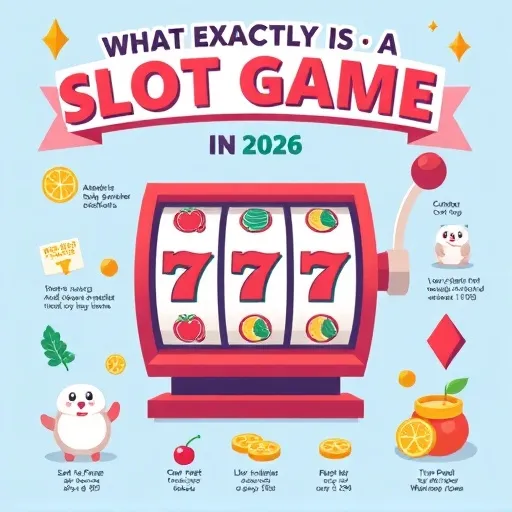
What Exactly Is a Slot Game in 2026?
If you're curious about how to play slots in 2026, the short answer is this: you spin reels, cross your fingers, and hope matching symbols land on a payline. That core loop hasn't budged since the old-school days. What's completely different is everything wrapped around it. If you want to learn how to play slots the right way, you need to understand both the classic mechanics and the new stuff layered on top.
Today's video slots — the dominant format you'll bump into on mobile casinos and desktop platforms — can pack anywhere from three to seven reels, dozens of paylines (or "ways to win" setups that toss fixed lines out the window), animated storylines, cinematic soundtracks, and bonus rounds that feel like little mini-games tucked inside the main action. Plenty of titles in 2026 run on random number generation (RNG) certified by independent testing bodies to guarantee fairness, and a growing batch are built on blockchain-based systems for extra transparency.
Here's the big takeaway if you're figuring out how to play slots: a slot is still fundamentally a random outcome generator. No amount of skill or clever strategy changes a single spin. What you can control is how you play, how much you spend, and which games you pick. That's the whole game when it comes to how to play slots responsibly.
The Basic Anatomy of a Slot Machine: Reels, Symbols, and Paytables Explained
Before you dive in, let's break down the vocabulary. Getting this stuff straight makes everything else click, and it's step one for anyone serious about how to play slots.
- Reels: the vertical columns that spin. Each reel holds a set of symbols.
- Symbols: the icons on the reels — fruits, numbers, characters, wilds, scatters, and so on.
- Payline: a line across the reels where matching symbols must land to trigger a win. Classic games have one; modern ones can have hundreds.
- Paytable: the chart showing how much each symbol combination pays. Always check this before playing — it's non-negotiable if you want to know how to play slots well.
- Wild Symbol: substitutes for other symbols to help complete a winning line.
- Scatter Symbol: usually triggers free spins or bonus features and often pays regardless of position.
- RTP (Return to Player): a percentage showing how much of all wagered money a game is expected to pay back over time. A 96% RTP means, theoretically, $96 returned for every $100 wagered across millions of spins.
- Volatility (Variance): how often and how much a game pays. Low volatility means frequent small wins. High volatility means rare but potentially large wins.
- Bet Size: the amount you wager per spin, often adjustable via coin value and number of coins or credits.
If you memorize nothing else about how to play slots, memorize RTP and volatility. These two numbers tell you more about a game than any flashy graphics ever will.
How to Play Slots: Step-by-Step for Beginners on Mobile and Desktop
Alright, let's get practical. Here's how a typical slot session works in 2026, whether you're on a mobile app, a desktop platform, or a physical slot machine.
Step 1: Choose Your Game. This matters more than most people think. Don't just grab the prettiest theme. Look at the RTP and volatility. Want longer playtime with smaller swings? Go high-RTP, low-volatility. Chasing a big payout and don't mind long dry spells? High-volatility is your lane. Also think about theme and features — some players love ancient mythology slots, others prefer space adventures or fruit classics. The theme doesn't affect your odds, but it absolutely affects your enjoyment, and enjoying yourself is half the point of how to play slots.
Step 2: Set Your Bet. Every slot lets you adjust bet size — usually by changing the coin value, the number of coins per line, or the total bet per spin. In 2026, many platforms offer "quick bet" buttons and customizable presets. Pro tip: never bet more than 1–2% of your total bankroll on a single spin. Start with $100? Keep your spins at $1–$2. That gives you enough spins to actually experience the game's features without burning through your funds in five minutes.
Step 3: Spin the Reels. Hit the spin button. On modern games, you can also use autoplay or turbo mode to spin faster or automatically for a set number of rounds. Just be careful with autoplay — it's easy to lose track of how much you're spending, and that's a classic rookie trap when learning how to play slots.
Step 4: Understand the Outcome. If matching symbols land on a payline (or in a "ways to win" configuration), you win. The paytable tells you how much. If scatters or bonus symbols appear, you might trigger free spins, pick-and-win games, expanding wilds, or other features.
Step 5: Manage Your Bankroll. This is where most players go wrong. Decide before you start playing how much you're willing to lose and how much you'd like to win. Stick to those limits. Slots are entertainment, not a retirement plan — and that's the golden rule of how to play slots.
Types of Slot Games: Classic, Megaways, Progressive, and Cluster Pays
The slot universe is massive. Here's a quick tour of the main categories you'll see in 2026.
- Classic Slots: three reels, simple symbols, one to five paylines. Nostalgic and straightforward.
- Video Slots: five or more reels, rich graphics, multiple paylines, and complex bonus features. The most common type today.
- Progressive Slots: a portion of every bet feeds a growing jackpot that can reach massive sums. Often lower base-game RTP but huge upside potential.
- Megaways Slots: a dynamic reel system where the number of symbols per reel changes with each spin, creating thousands (sometimes hundreds of thousands) of possible winning combinations.
- Cluster Pays Slots: instead of paylines, you win by landing groups of matching symbols adjacent to each other.
- 3D and VR Slots: immersive, interactive experiences that blur the line between gaming and storytelling. Still niche but growing.
Each type has its own rhythm, risk profile, and appeal. Try a few and see what clicks — variety is a huge part of how to play slots enjoyably.
Slot Strategy: What Actually Works (and What Definitely Doesn't)
Let's be crystal clear: you cannot predict or control the outcome of a slot spin. The RNG ensures every spin is independent of the last. There's no "hot" or "cold" machine in any meaningful statistical sense.
That said, there are smart ways to play that stretch your bankroll and improve your overall experience. Mastering how to play slots is really about these habits:
- Play high-RTP games: over time, a 97% RTP game returns more than a 92% RTP game. Simple math.
- Match volatility to your goals: want to play for hours? Low volatility. Want a shot at a big win? High volatility with a smaller bet.
- Use bonuses and free spins wisely: many platforms offer welcome bonuses, free spin packages, or loyalty rewards. Read the terms — especially wagering requirements — before opting in.
- Set win and loss limits: decide in advance when you'll walk away, on both the winning and losing side.
- Take breaks: slots are designed to be engaging. That's not bad, but it means you should consciously step away periodically.
And what doesn't work when you're learning how to play slots? "Due for a win" thinking, pattern tracking, betting max on every spin, and chasing losses. Past results don't influence future spins in RNG-based games, and chasing losses is the single most dangerous behavior in any form of gambling.
Understanding RTP, House Edge, and Volatility in Modern Slot Play
These three concepts are the backbone of informed slot play, and honestly, they're the most useful thing you can learn about how to play slots.
RTP (Return to Player) is expressed as a percentage. A game with 96% RTP pays back $96 for every $100 wagered over millions of spins. The remaining 4% is the house edge — the platform's built-in profit margin. Lower house edge means better for the player long-term.
Volatility describes the distribution of wins. Low-volatility games pay small amounts frequently. High-volatility games pay large amounts rarely. Neither is "better" — it depends on your bankroll and patience. A useful analogy: low volatility is like a gentle stream; high volatility is like a thunderstorm — long dry spells followed by intense downpours.
Mobile Slots and RNG Technology: What's Changed by 2026
Mobile gaming has completely transformed how to play slots. In 2026, the majority of slot sessions happen on smartphones and tablets. Modern platforms use HTML5 technology, which means games run smoothly in browsers without needing downloads. What does this mean for you? Instant play with no waiting for installs, cross-device continuity so you can start on your phone and continue on your laptop, touch-optimized controls, and push notifications for new games or bonus offers. The downside? It's easier than ever to play impulsively, which is why setting limits matters more than ever.
Every legitimate slot game in 2026 uses an RNG to determine outcomes. This is a software algorithm that produces a sequence of numbers with no predictable pattern. Each number corresponds to a specific reel position, and the combination determines your result. Reputable platforms have their RNGs tested and certified by independent third-party auditors. If a platform doesn't disclose its RNG certification, that's a red flag. The RNG is why "strategy" in slots is really about bankroll management and game selection — not about manipulating outcomes.
Bonus Features, Platform Selection, and Beginner Mistakes in Slot Gaming
One of the biggest reasons slots are so popular in 2026 is the sheer variety of bonus features. Free Spins triggered by scatter symbols give you a set number of spins without deducting from your balance, often with multipliers. Multipliers boost your winnings by 2x, 5x, 10x, or more. Expanding Wilds cover an entire reel. Sticky Wilds stay put for multiple spins. Pick-and-Win Games let you choose items to reveal prizes. Cascading Reels make winning symbols disappear so new ones fall into place, potentially creating chain wins. And Bonus Buy options let you pay a premium to instantly trigger the bonus round in some jurisdictions — a high-risk, high-reward move. These features don't change the underlying math, but they add excitement. Always check the paytable to understand how each feature works before you play.
When choosing where to play, look for proper licensing and regulation from a recognized authority, a wide game variety from multiple developers, clear RTP transparency, fast and secure payment options, solid customer support, and strong responsible gaming tools. Don't just sign up for the first platform you see — a little research pays off.
And avoid the classic beginner mistakes: not reading the paytable, ignoring RTP, playing on tilt, overusing autoplay, believing in "systems," and failing to set limits. The last one's the biggie. Always set limits. If you ever feel like your play is becoming compulsive, reach out to a support organization in your region — there's no shame in asking for help.
Learning how to play slots in 2026 is really about understanding two things: the mechanics of the game and the boundaries of your own behavior. Pick games with good RTP. Match volatility to your bankroll. Set limits. Take breaks. And above all, treat slots as what they are — entertainment. Go find a game that looks fun, check the paytable, set your bet, and enjoy the ride. That's how to play slots the smart way.