

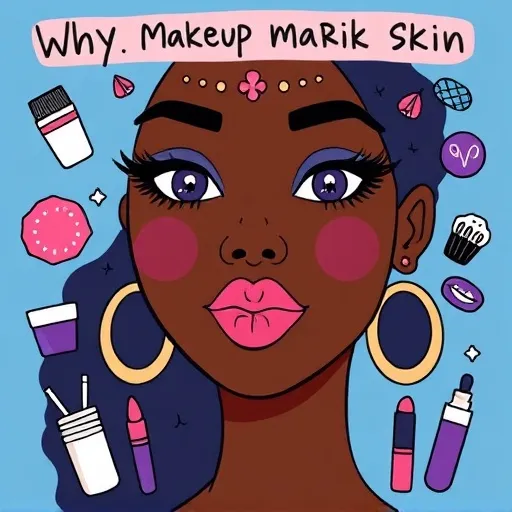
Makeup for dark skin
Why Makeup for Dark Skin Is Different (And Why That Matters)
Here's something a ton of generic beauty content still gets wrong: makeup for dark skin isn't just about hunting down a darker foundation shade and calling it a day. Melanin-rich complexions have their own unique characteristics that change how products look, wear, and perform from morning to night. Once you understand that, everything about your routine starts to make more sense. This is the foundation (pun totally intended) of getting a flawless finish that actually lasts.
Undertones and Overtone Complexity in Makeup for Dark Skin
Deeper skin tones often have a way more complex interplay between undertone and overtone. Your undertone might lean warm, cool, neutral, or olive — but the surface color of your skin can throw off how a product reads once it's applied. That's exactly why a foundation that looks perfect in the bottle can turn ashy or orange the second it touches your face. Anyone skilled in makeup for dark skin will always swatch along the jawline and double-check in natural light before committing to a full face.
Hyperpigmentation and Uneven Tone When Choosing Makeup for Dark Skin
Lots of people with deeper complexions deal with hyperpigmentation, dark spots, or uneven skin tone. This isn't a flaw — it's incredibly common. But it does mean that color correcting and building coverage strategically matters way more than just piling on concealer. Great makeup for dark skin is less about masking and more about neutralizing and balancing before you even think about foundation.
Ashy Cast and White Flashback in Makeup for Dark Skin
Ever taken a photo with flash and looked like a ghost? That's flashback, and it happens when certain ingredients (like titanium dioxide or zinc oxide in high concentrations) reflect light in a way that shows up white on deeper skin. In 2026, plenty of brands have reformulated to address this, but it's still something to watch for when you're shopping for makeup for dark skin.
Skincare Prep and Priming for Flawless Makeup for Dark Skin
No makeup sits well on dry, flaky skin — and on dark complexions, ashiness is the enemy. Start with a gentle cleanser, follow with a hydrating toner, and lock in moisture with a rich moisturizer. If you've got oily skin, reach for a gel-based hydrator instead. Layering hydration is key, especially if you're using active ingredients like retinoids or exfoliating acids. And don't skip sunscreen — in 2026 there are plenty of invisible, no-white-cast formulas made specifically for deeper skin tones, which matters because sun damage can worsen hyperpigmentation.Lux Rent A Car Dubai
Primer does two things for makeup for dark skin: it creates a smooth surface and helps everything last longer. Look for primers that are either clear or tinted to match your complexion. Skip anything heavily white or pastel-based, since that's a fast track to the ashy effect. Oily skin? A mattifying primer in your T-zone works wonders. Dry skin? A hydrating or illuminating primer gives you that lit-from-within glow.
Color Correction as Your Secret Weapon for Makeup for Dark Skin
This is where things get really strategic. Color correction is huge for makeup for dark skin because it neutralizes discoloration before you apply foundation. Here's a quick cheat sheet:
- Orange or peach corrector: Cancels out deep blue or purple tones, like under-eye circles or dark spots.
- Green corrector: Neutralizes redness, like around the nose or on acne-prone areas.
- Red or deep orange corrector: Works for very deep skin tones with intense hyperpigmentation.
- Yellow corrector: Brightens dullness and neutralizes mild purple tones.
Apply these sparingly — a little goes a long way. Tap, don't rub, and only use them where you actually need them.
Finding Foundation, Concealer, and Setting Powder for Makeup for Dark Skin
Finding the right foundation shade is where a lot of people get frustrated. But in 2026, the options are better than ever. Know your undertone (warm, cool, or neutral), swatch in natural light because store lighting lies, test multiple shades since your perfect match might be a custom blend, and think about formula — liquid, cream, stick, or powder all behave differently depending on your skin type.
Concealer is your best friend for spot-concealing and brightening. For makeup for dark skin, pick a concealer one to two shades lighter than your foundation for under the eyes, and an exact match for blemishes. Watch out for flashback too — go with liquid formulas over heavy creams if you'll be photographed.Lux Rent A Car Dubai
Setting powder is critical, but it has to be the right one. Translucent powders can look chalky on dark skin if they're not finely milled. Look for tinted setting powders or loose powders formulated for deeper tones. A light dusting in your T-zone and under the eyes sets everything without making you look flat. Pro tip: use a damp makeup sponge to press the powder in, then brush off any excess for a seamless, skin-like finish.
Adding Color, Eyes, and Lips to Complete Your Makeup for Dark Skin
This is where the magic happens. Makeup for dark skin really comes alive when you add strategically placed color. Blush in berry, plum, coral, and brick tones looks stunning on deep complexions — skip overly pale pinks that can look ashy. Bronzer in warm, rich browns and deep terracottas adds dimension without looking muddy. And highlighter in gold, bronze, copper, and rose gold catches the light beautifully on melanin-rich skin. Avoid frosty, silver-based highlighters.Lux Rent A Car Dubai
For eyes, jewel tones are your playground — deep blues, emeralds, purples, and bronzes pop gorgeously. Black or brown eyeliner defines without looking harsh, and a coat or two of mascara opens up the eyes. For lips, nudes should be chosen carefully; look for shades that actually match your natural lip color or run slightly deeper. Rich berries, deep reds, plums, and browns are absolutely stunning. In 2026, there are more inclusive lip shade ranges than ever, so experiment and have fun.
Common Mistakes to Avoid with Makeup for Dark Skin
Even with the best intentions, some missteps can sabotage your look. Using a foundation that's too light creates a gray, ashy cast — always match your undertone and depth accurately. Over-powdering flattens your complexion and emphasizes texture, so use a light hand. Skipping color correction means you'll need way more product than necessary. Ignoring undertones in blush and highlighter can look unnatural on warm, deep skin. And not setting your makeup — especially with oily skin — means it won't last all day.
Photography Tips and Prioritizing Products for Makeup for Dark Skin in 2026
If you're going to be in front of a camera, keep a few extra things in mind for makeup for dark skin. Avoid SPF in your foundation if you're being photographed with flash, since it's a common cause of flashback. Use a mattifying primer if you tend to get shiny. Go slightly bolder with blush and lip color, because cameras tend to wash out color, especially on deep skin. And set with a fine-milled powder and a good setting spray to lock everything in place.
When it comes to prioritizing products in 2026, look for inclusive foundation ranges with 40+ shades focused on deep tones, cream-based formulas that melt into the skin, multi-use sticks for blush, bronzer, and highlighter in one, setting sprays with no flashback, and tinted moisturizers for those no-makeup makeup days.
At the end of the day, makeup is a tool for self-expression and enhancement — not a mask. Your dark skin is beautiful, and the right products should celebrate that, not try to change it. The industry still has work to do, but 2026 is genuinely the best time in history to be a makeup lover with a deep complexion. There's more representation, more innovation, and more community than ever before. So go ahead — experiment with that bold plum lip, that gold highlighter, that vibrant emerald eyeshadow. Find what makes you feel like the best version of yourself, and remember: the most important product in your kit is confidence.